Field notes by Aaron Carter
Reasonably
Intelligent
Practical AI for people with actual work to do.
Short reads, useful experiments and the occasional reality check on AI at work.
Pick a task. Try a prompt.
Use fictional or approved details. Check the result before it leaves your desk.
The field notes
Useful prompts. Better questions. Fewer “the AI said so” moments.
Let AI organize the raw material. Keep the observation, taste and odd little detail that make the result yours. Efficiency does not have to sound like everyone else.
ChatGPT, Claude, Gemini, Copilot: the names are multiplying. A simple map helps you understand the app, the model and the AI already inside your software.
AI can sort your documents. Deciding which version people should actually use still requires an owner, an approval record and one authoritative location.
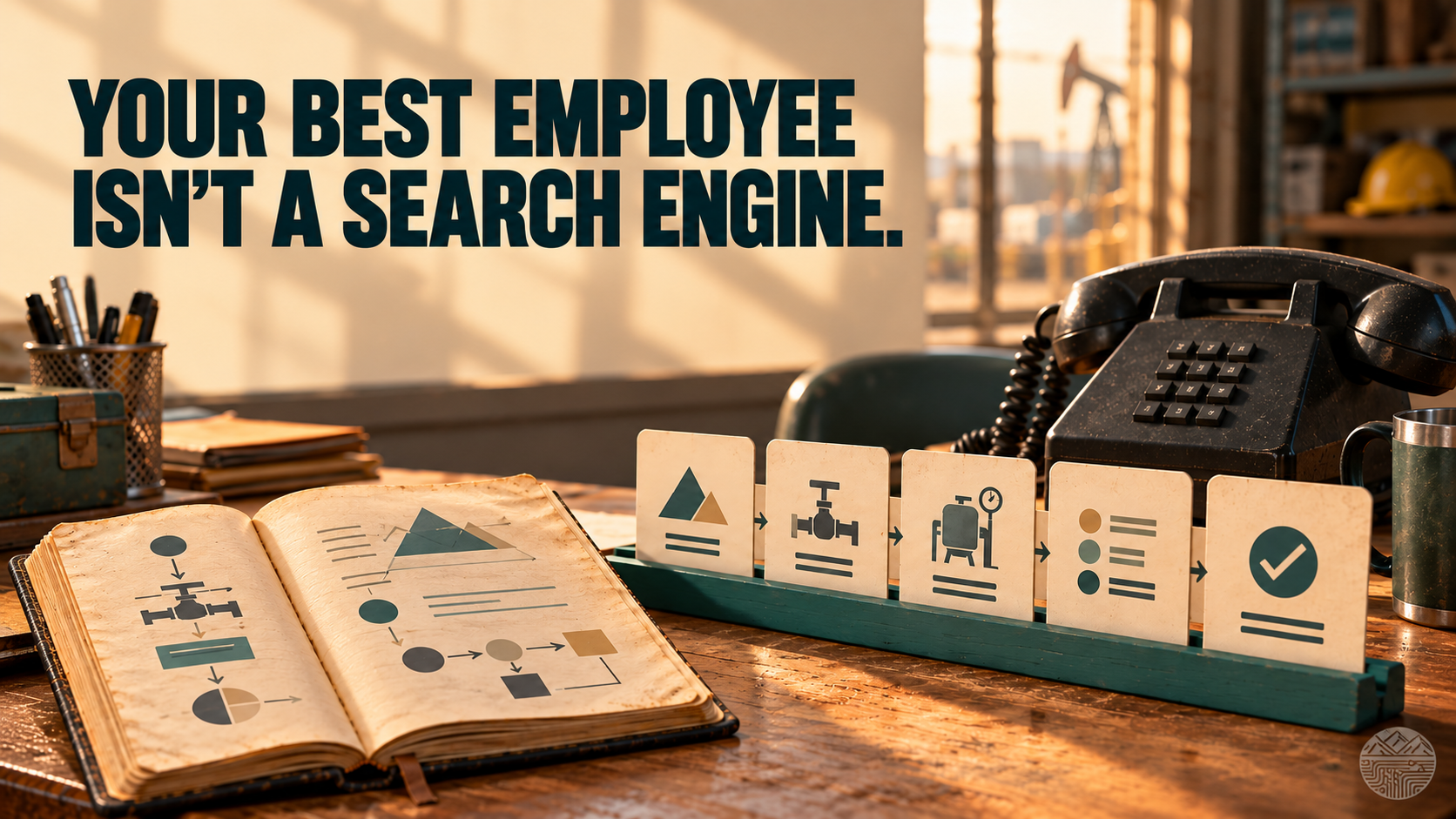
When every routine question goes to the same person, useful knowledge has become a bottleneck. Capture one task, check the exceptions and let someone else test the instructions.
Human assumptions do not become objective because software repeats them. A useful AI review starts by asking whose perspective, data and definition of “normal” are doing the work.
The lowest quote may be quoting a different job. Use AI to line up scope, exclusions and unknowns before anyone announces a saving.
No error message does not mean the formula answers the right question. A tiny test case can catch a large misunderstanding before it reaches the dashboard.
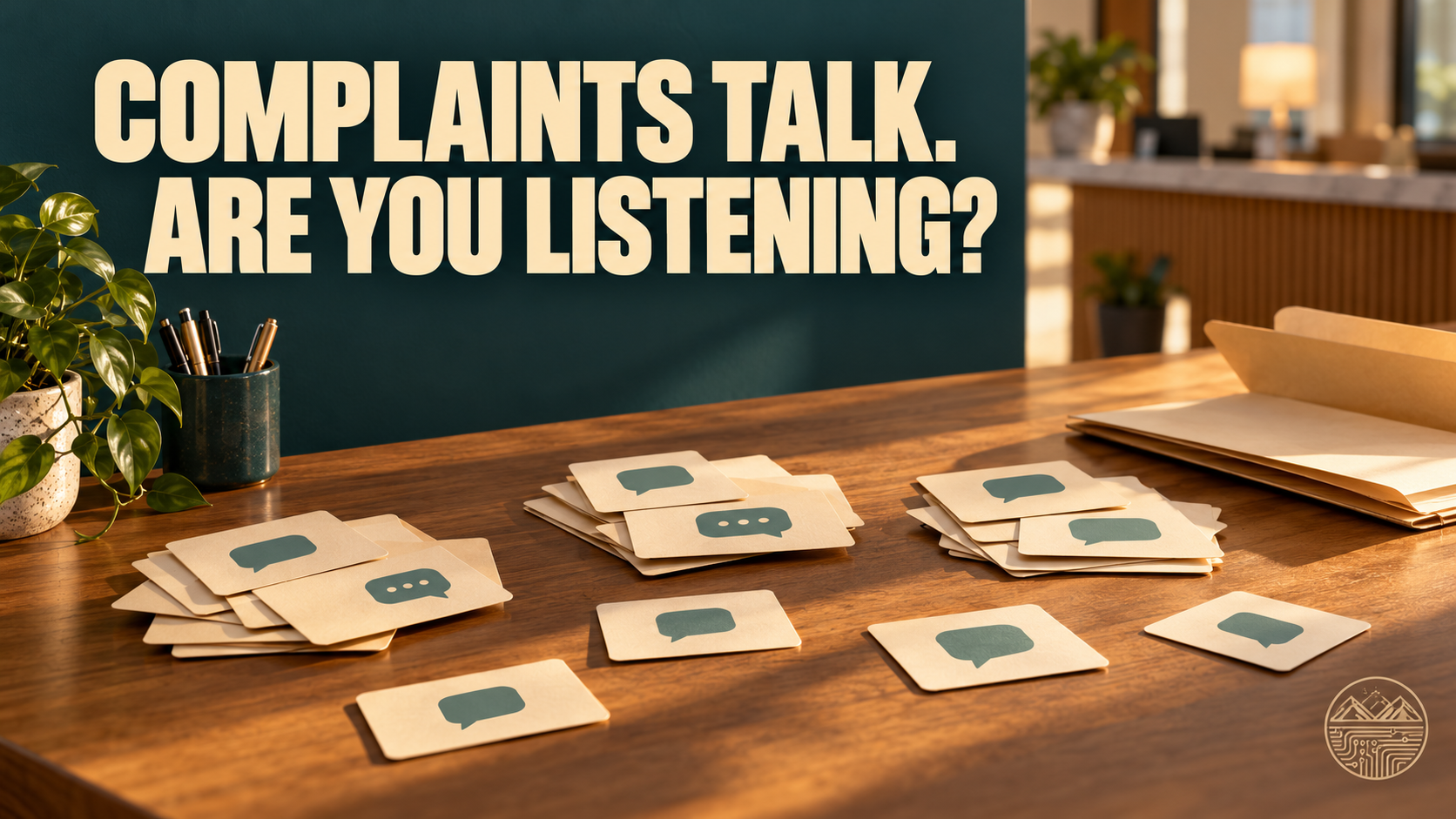
A folder full of complaints can reveal a useful question. AI can help organize the evidence, provided you check the categories, counts and voices that are missing.
A cheerful caption can still send someone to the wrong door at the wrong time. Three checks help you keep the speed without outsourcing the facts.
The welcome email can be lovely. A new employee still needs working access, relevant practice and someone responsible for helping them become ready.
‘Use AI responsibly’ leaves a lot to interpretation. Practical rules tell people which account, what information, which review and who can answer a question.
An agent can move from suggesting an action to taking it. Define exactly what it may read, change and send, then test the controls before connecting live accounts.
It has excellent mileage, a convincing spec sheet and no known existence. Here is how to spot the difference between a useful AI draft and an invented fact.
The demo was impressive. Your actual workflow still deserves a vote. Five questions to ask before an AI announcement becomes another subscription nobody owns.
A cheerful auto-reply tells people you are away. A useful handoff tells them how to keep moving. Let AI organize the details before your coworkers start excavating your inbox.
A five-bullet summary can quietly lose the exception that changes the whole decision. Here is how to keep the small print from becoming a large problem.
The answer can arrive instantly. Deciding whether it deserves your trust still takes a few good questions. Start with the claim, the evidence and what would change your mind.
A beautiful AI recap can still leave everyone wondering who was supposed to call the vendor. Give the next step an owner—or put the notes under glass.
Your best first AI project might be the task everyone quietly resents. Start small, count the checking time, and give the committee something useful to put on its mug.
A polished email can hide an unapproved promise. Here is a practical three-part check, a fictional example and a reusable prompt for AI-assisted customer messages.
An endlessly supportive chatbot is pleasant company and a questionable review committee. Give your ideas a useful opponent before you give them a budget.
More drafts can mean more work for the same two reviewers. Measure finished work, waiting time and corrections before celebrating a faster first draft.
AI can flag suspicious customer records. It should not decide that two people are the same person, invent missing details or quietly restore an unsubscribed contact.
A precise-looking forecast can hide a pile of guesses. Use AI to expose assumptions and compare scenarios before turning a confident number into a staffing or inventory decision.
Automating a broken process gives the problem better transportation. Start with one clear rule, one useful check and someone who can stop the machine.
A translation can sound natural while changing the detail a customer needs. Preserve the meaning, check the numbers and have someone qualified compare both versions.
A useful AI workflow needs a usable fallback. Decide what happens when the service, account or connection disappears, then test whether someone can actually follow the plan.
A useful chatbot answers what it can support and helps customers reach a person when it cannot. Test the handoff as carefully as the greeting.
AI can make nonsense look finished. Three practical checks and a reusable prompt help you keep the useful part without mistaking confidence for evidence.